
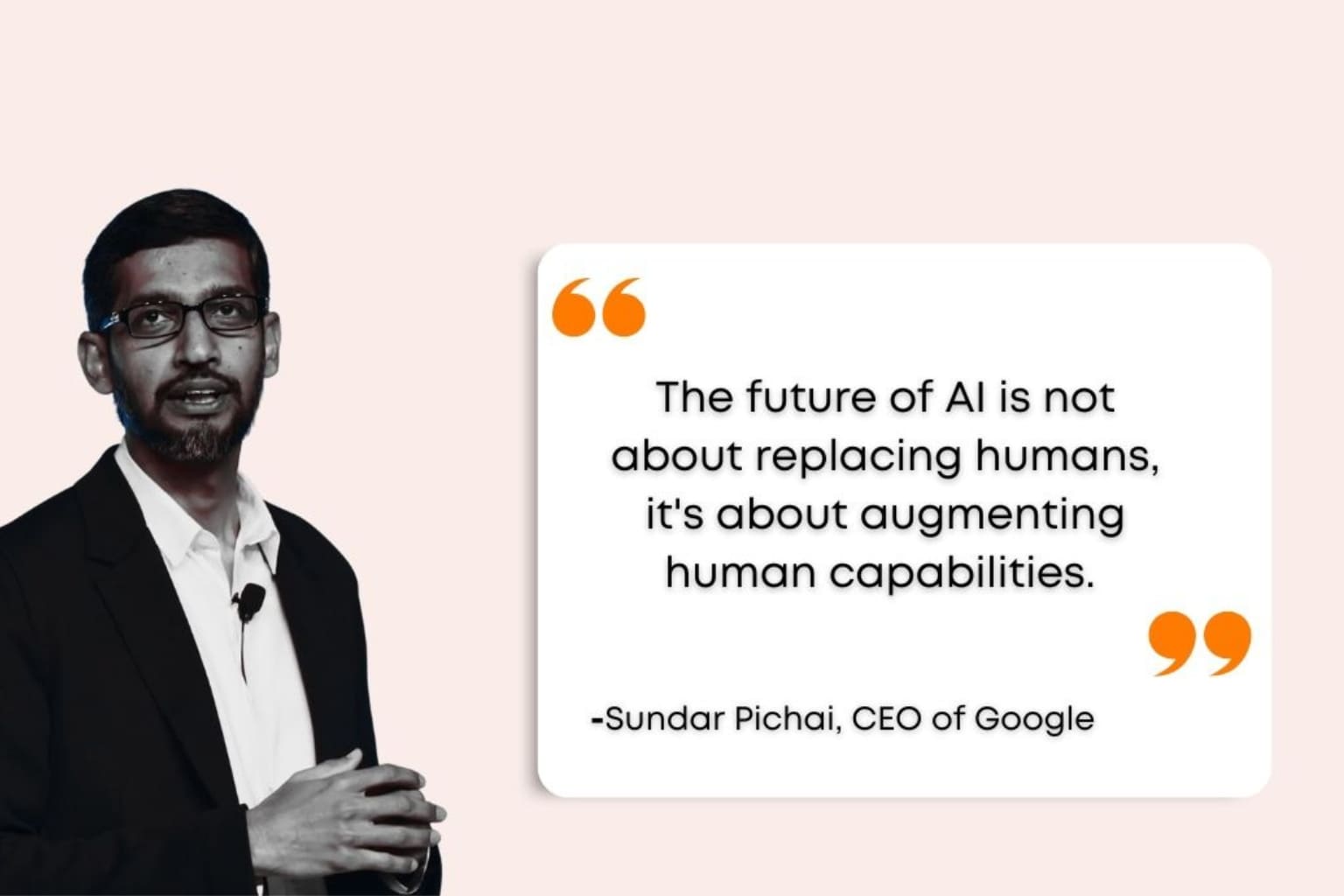
The structural foundations of software entrepreneurship are undergoing a fundamental transformation
For the previous two decades, the primary barrier to entry in the technology sector was “technical debt” and the high cost of specialized labor (software engineering). However, data from the current fiscal landscape suggests that the “coding moat” is evaporating, giving rise to a new class of executive: the Intellipreneur (AI Orchestrator).
The Economic Devaluation of Manual Syntax
The transition from manual coding to AI orchestration is driven by the collapse of “marginal cost” in software production. According to recent industry benchmarks:
- Productivity Surges: Engineering teams utilizing AI-augmented development environments have reported a 40% to 55% increase in task completion speed.
- Cost of Deployment: The capital required to launch a Minimum Viable Product (MVP) has decreased significantly. Tasks that previously required a $150,000/year developer can now be prototyped using LLM-based orchestration at a fraction of the cost.
- The Paradigm Shift: Goldman Sachs research estimates that Generative AI could automate up to 25% of current work tasks across the global economy. In the software sector, this translates to a shift where “writing code” is a commodity, while “architecting the AI workflow” is the value-add.
Defining the ‘AI Orchestrator’ Model
At the International AI Engineering Institute (IAEI), the curriculum is structured around the fact that technical literacy is evolving. The AI Orchestrator does not operate at the syntax level; they operate at the Systemic Integration level.
| Feature | The Traditional Developer Model | The AI Orchestrator (Intellipreneur) |
|---|---|---|
| Primary Tool | Programming Languages (Java, Python, C++) | AI Agents, API Ecosystems, LLMs |
| Work Focus | Debugging and Manual Syntax | Workflow Logic and Data Governance |
| Time to Market | High (Months/Years) | Low (Weeks/Days) |
| Scaling Limit | Limited by Human Headcount | Limited by Compute and API Throughput |
Structural Impact on the Startup Ecosystem
The “Intellipreneur” model, as explored in the research of IAEI faculty member Kishan Chavda, identifies three data-driven trends reshaping the digital economy:
- The ‘Lean’ Unicorn: We are seeing the emergence of highly profitable enterprises with minimal headcount. By orchestrating multiple AI agents to handle customer success, back-end infrastructure, and marketing, a small leadership team can achieve the output of a mid-sized corporation.
- Domain-Centric Innovation: Because AI handles the technical execution, the competitive advantage has shifted to Domain Expertise. In healthcare, for instance, leaders like Rejesh Bose demonstrate that the value lies in navigating public health systems and clinical outcomes, using AI as the delivery mechanism rather than the end product.
- The Intelligence Arbitrage: Modern billionaires are increasingly those who can identify “data silos” and apply orchestration to unlock value, rather than those who build new databases from scratch.
The Institutional Response at IAEI
The International AI Engineering Institute (IAEI) maintains that the “AI Orchestrator” is the requisite leadership profile for 2026 and beyond. The shift is evidenced by the integration of AI Strategy and Automated Business Logic into core engineering disciplines.
The facts indicate that technical proficiency is no longer defined by the ability to communicate with a machine through code, but by the ability to direct a machine to build, scale, and optimize complex systems autonomously. In this environment, the “Orchestrator” controls the capital, the speed of innovation, and ultimately, the market share.