
The corporate leadership structure is currently undergoing its most significant realignment since the digital transformation of the early 2000s. As of 2026, the traditional distinction between “Management” and “Engineering” has blurred. For senior professionals with 15+ years of experience, the pivot toward AI Engineering is no longer an elective career move—it is a strategic response to the shifting valuation of intellectual capital.
This transition is fueled by a specific economic reality: the market is oversupplied with traditional “process managers” but faces a critical deficit of leaders who can architect autonomous systems.
The Macro-Economic Shift: From Oversight to Architecture
Data indicates that the “Management Layer” in Fortune 500 companies has shrunk by 12% over the last 24 months as AI agents begin to handle routine reporting, scheduling, and basic resource allocation. However, the demand for AI Implementation Directors has surged by 210%.
The “Lucrative Path” for senior professionals in 2026 is defined by Intelligence Orchestration. This involves shifting from managing human output to managing algorithmic throughput.
The Value of the ‘Senior Pivot’
- Systemic ROI Identification: While junior engineers focus on model accuracy, senior professionals focus on Economic Impact. An experienced manager can identify that a 2% improvement in supply chain predictive accuracy translates to $50M in annual savings—a perspective that junior technical talent often lacks.
- Risk and Compliance Governance: In the 2026 regulatory environment (notably the maturing EU AI Act and similar global frameworks), “Engineering” includes the legal and ethical alignment of models. Senior leaders are uniquely equipped to manage the liability frameworks of AI deployment.
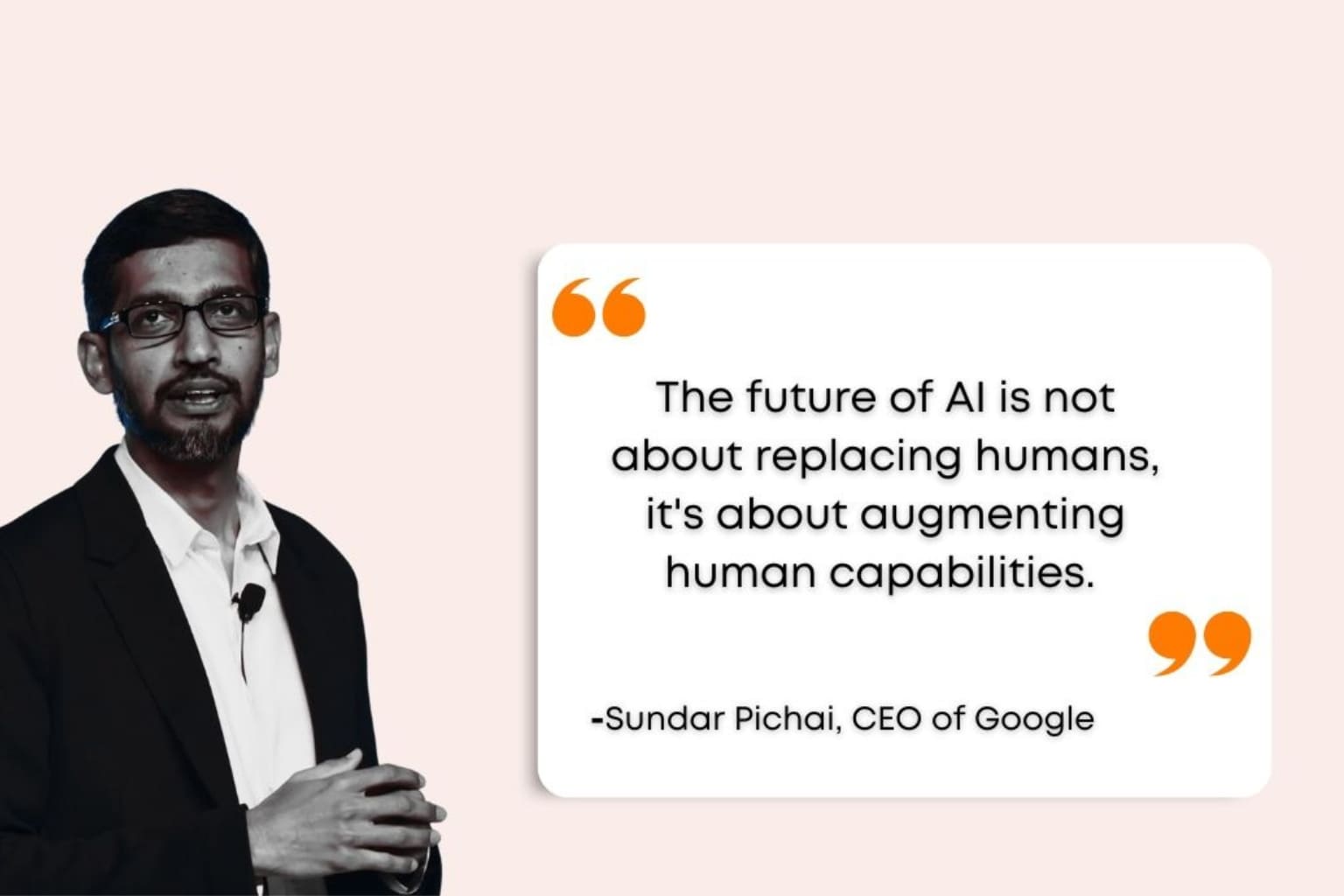
- Human-AI Integration: The most complex challenge in 2026 is the “Cultural Transition.” Senior pivots are essential for designing workflows where AI enhances rather than replaces the high-value human workforce.
Comparative Evolution of Senior Roles (2024 vs. 2026)
The following table illustrates the factual shift in responsibilities and market value for senior leaders who pivot into the AI Engineering domain.
| Role Attribute | Traditional Senior Manager (2024) | AI Engineering Leader (2026) |
|---|---|---|
| Primary Metric | Team Headcount & Budget | Model Performance & Token Efficiency |
| Technical Focus | High-level Software Understanding | System Integration & Agentic Workflows |
| Strategic Focus | Quarterly Goal Alignment | Cross-Functional Data Monetization |
| Market Value Index | 1.0x (Baseline) | 1.6x – 2.2x (Premium) |
The Intelligence Arbitrage: Leveraging Domain Expertise
The most successful pivots in 2026 are occurring in specialized sectors where AI “black box” solutions are insufficient.
- In Healthcare: The pivot involves moving from hospital administration to HealthTech System Design, where professionals oversee the deployment of AI diagnostics within existing clinical workflows—a task requiring deep knowledge of patient safety protocols and public health policy.
- In Finance: Senior leaders are transitioning into Algorithmic Governance, ensuring that AI-driven trading or lending models remain transparent and compliant with evolving financial stability mandates.
- In Entrepreneurship: The rise of the “Intellipreneur” allows senior executives to launch lean, AI-native firms where they act as the primary architect, using AI to handle the operational tasks that previously required a $1M payroll.
The Reality of Technical Proficiency
The pivot to AI Engineering for a senior professional does not require a return to “entry-level coding.” In 2026, the technical proficiency required is Systemic Literacy. This includes:
- Understanding Latency and Cost: Managing the “Inference Budget” of a company’s AI operations.
- Prompt and Logic Engineering: Designing the high-level cognitive architecture that guides autonomous agents.
- Data Strategy: Curating the proprietary data sets that provide a company’s “Moat” in an era where models are increasingly commoditized.
Strategic Conclusion
The career path for senior managers in 2026 has bifurcated. One path leads to the management of shrinking traditional departments, while the other—the AI Engineering pivot—leads to the architecture of the next generation of industry. The data is clear: the most lucrative and resilient roles belong to those who can master the engineering logic required to deploy artificial intelligence at scale.